

Fasting for Diabetic Patients

- Update Time : Sunday, February 15, 2026
- 438 Time View
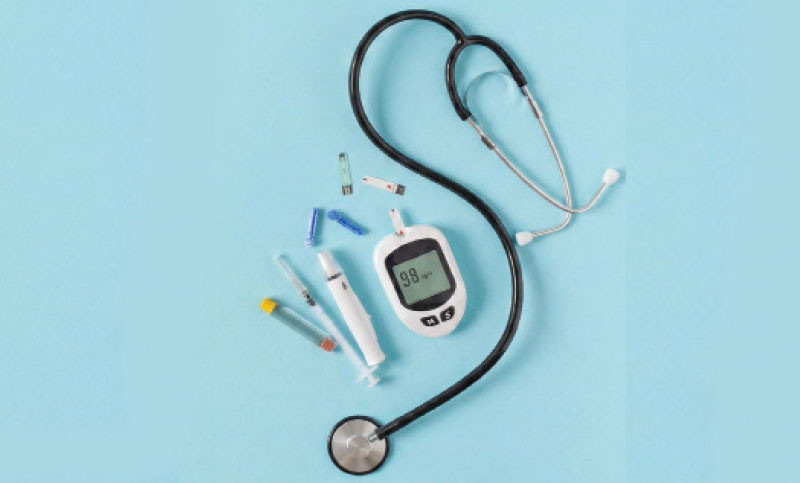
RN Desk: During Ramadan, eating habits and sleep routines change which can make diabetes control more difficult. Therefore, diabetic patients need special preparation before observing fasting. Brigadier General Dr. Nasir Uddin Ahmed explains what diabetic patients should do during Ramadan.
The holy month of Ramadan is at the door. Fasting is an obligatory act of worship for every Muslim during this month. However, those who are ill or traveling are granted exemption by Allah from fasting. Diabetes is a complex metabolic disorder.
For some diabetic patients, fasting can be risky. Such patients are advised not to fast. To determine whether fasting poses a life-threatening risk, consultation with a physician is essential. Even if the risk is not severe, every diabetic patient should seek medical advice before Ramadan begins.
Who Are at High Risk
Fasting does not pose equal risk for all diabetic patients. Those at very high risk include:
- Elderly individuals
- Patients with Type 1 diabetes
- Those living with diabetes for more than 10 years
- Patients requiring multiple daily insulin injections
- Those with a history of hypoglycemia (low blood sugar)
- Uncontrolled diabetes, especially with HbA1c above 9% in the past three months
- Patients who cannot recognize symptoms of hypoglycemia
- Those with kidney failure or severe kidney disease
- Patients who have experienced serious complications in the past three months, such as diabetic ketoacidosis or hyperglycemic hyperosmolar state
- Individuals dependent on heavy physical labor
- When fasting duration exceeds 16 hours
These patients must consult an experienced physician who will assess their medical history and associated conditions before advising on fasting.
Possible Complications
- Metabolic imbalance due to prolonged fasting
- Fluctuations in blood glucose levels
- Risk of ketoacidosis
- Dehydration from prolonged lack of fluid intake
- Increased risk of thrombosis (blood clot formation)
Dietary Guidelines
Ramadan often disrupts normal eating patterns. Long hours of fasting followed by consuming large meals quickly at Iftar and Suhoor can cause blood sugar spikes. Foods like jilapi, bundia, firni, halwa, payesh, sweet drinks, and dates rapidly increase blood glucose levels.
Therefore, diabetic patients should:
- Avoid under-eating; consume adequate calories as required by the body
- Drink sufficient water to prevent dehydration
- Avoid or limit tea and coffee
- Never skip Suhoor; it is better to eat it later rather than too early
- Avoid foods that rapidly raise blood glucose
- Replace sweets, refined flour products, and polished rice with high-fiber carbohydrates, whole grains, vegetables, and fruits
- Consume cucumber, guava, pear, jujube, hog plum, coconut water, lemon water, and other low-glycemic fruits
Physical Exercise
- The best time for exercise is after Tarawih prayer; light exercise after Iftar is also acceptable
- Tarawih prayer itself is good physical activity
- Avoid heavy exercise while fasting
- Light activities such as walking, slow jogging, moderate weightlifting, swimming, and cycling are permissible
- Patients on insulin should avoid exercise before Iftar
Adjustment of Insulin and Medication
Adjusting insulin during Ramadan is a major challenge and should be done under medical supervision.
- Patients taking premixed insulin twice daily should take the morning dose at Iftar
- The nighttime dose should be reduced by half and taken at Suhoor
- Those taking rapid-acting insulin three times daily before meals should omit the midday dose; take the morning equivalent dose at Iftar and reduce the night dose at Suhoor
- Other insulin regimens should be adjusted after consulting a doctor
- Oral diabetes medications should also be adjusted: the morning dose at Iftar and the night dose at Suhoor
Remember, taking insulin or checking blood sugar does not break the fast. If symptoms of low blood sugar occur, blood glucose should be tested immediately. If the level falls below 3.9 mmol/L, glucose or a sugary drink should be taken promptly. Otherwise, severe hypoglycemia may lead to serious complications.
Author: Brigadier General Dr. Nasir Uddin Ahmed
Advisor & Specialist in Medicine (Endocrinologist)
Combined Military Hospital (CMH), Dhaka








List of Advisers
Mohammad Ismail, Former Chairman, Board of Directors, Bangladesh Krishi Bank(BKB) & Prsident , Barisal Bibhag Kalyan Sangstha
Dr. Mohammad Shadi-Uz-Zaman, Managing Director, Natundhora Group, Co-Chairman, FBCCI Standing Committee on Land Developers
Md. Ali Hyder Talukder, Chairman, AHT Agro Industries Limited
Advocate Nasir Uddin Ahmed, Ex-General Secretary, Dhaka Taxes Bar Association
Advocate Munshi Abdur Rahman, A Valiant Freedom Fighter & Legal Adviser, European University Bangladesh, EUB
Dr. Md. Shah Alam FF, Deputy Managing Director, Sobuj Saya Goup
Md. Mahbub Hossain Bhuiya, Managing Director, Matrichaya Properties Ltd.
Md. Altaf Hossain, Senior District & Sessions Judge (Retd) & Legal Adviser, Agrani Bank Limited
Maqsuda Begum, Ex- Executive Director, Bangladesh Bank
------------------------------------------------------------------------------------------------
Editor & Publisher: Mahmudul Haque Khan Dulal
Chief Editor: Md. Delowar Hossain Khan (VP Shahin)
Business Consultant: B.C Sarker
Managing Editor: Md. Arshad Ali
Assistant Editor: Parvin Akter, Fatematuz Johora
Editorial & Commercial Office: 81/C, Kakrail, Dhaka
Mob. 01711356318 (Whats App), 01581053046, E-Mail: dulalkhanm@gmail.com, bbjs.bd15@gmail.com , ( A Publication of MB Media)